
Test blog
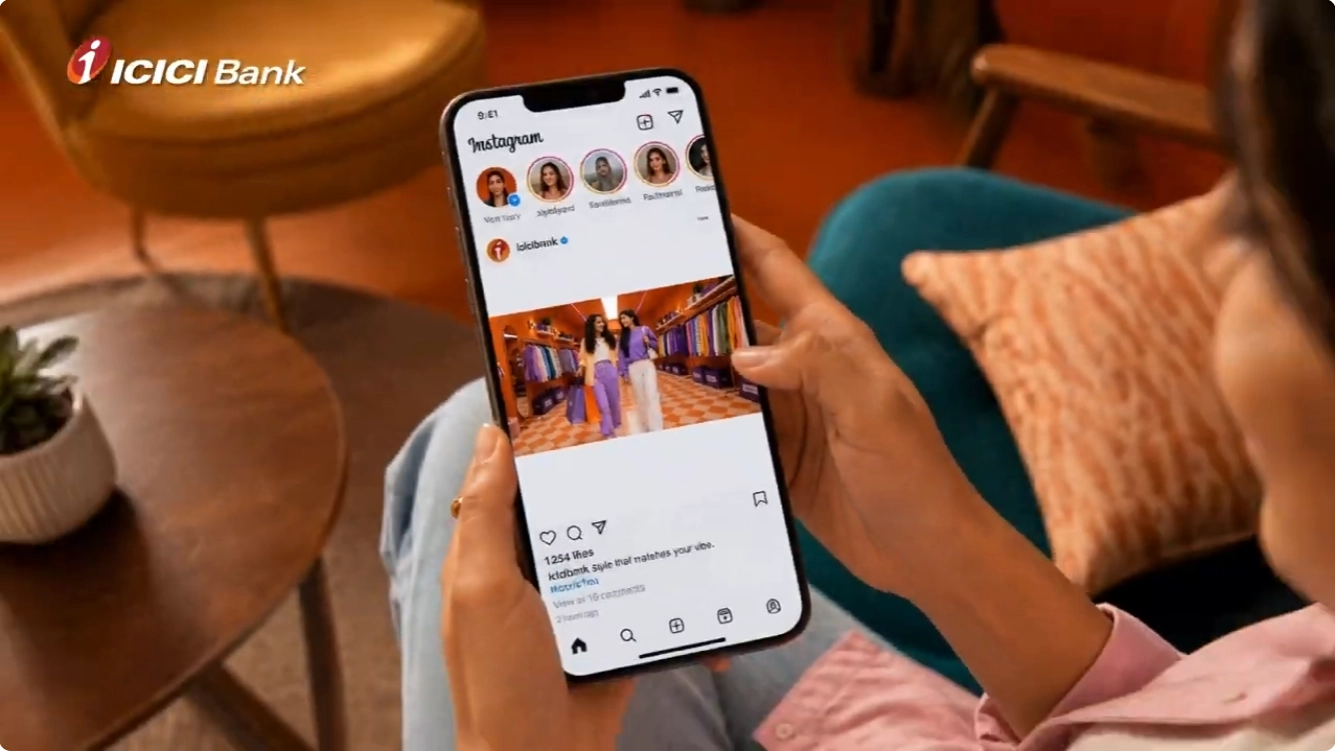
This is what full adaptation should have always looked like, and what it almost never did, because reshooting two entirely separate productions, two casts, two locations, two crews, was never something most brands could afford to do for one product line, whether the two markets in question were two countries or two regions within one.
That same principle scales down just as well as it scales up. We recently adapted a Hindi ad for LIC Housing Finance into a fully realized Bengali version, not a redub, a genuine recreation with region-appropriate casting, environment, and cultural tone. The timing mattered here too, Durga Puja is one of the most significant cultural and commercial moments of the year in Bengal, and a financial services brand showing up with a Bengali ad that actually feels Bengali, not a translated Hindi one, lands very differently during that season than a generic dubbed version would.
Put the two examples side by side and the pattern is the same regardless of scale: a global consumer electronics brand needs New York to feel different from Mumbai, and a single national brand needs Bengal to feel different from the Hindi-speaking heartland. Both are the identical creative problem, and the same production approach solves both.
This extends anywhere a brand sells across a genuinely diverse audience. The United States is one of the clearest examples of this same challenge inside a single country, a national campaign there is really speaking to several very different audiences at once, Hispanic households, Chinese-American communities, South Asian audiences, white American audiences, each with different cultural references, different visual language, and different expectations of who represents them on screen. A brand running one generic ad across all of them is making the same compromise the Hindi-to-Bengali example solves, treating a diverse market as if it were oneaudience, because true adaptation wasn’t affordable.
v4b.ai
The Economics That Actually Make This Possible
Here’s the part that used to make this conversation purely theoretical: adapting an ad this thoroughly, new cast, new environment, new cultural context, used to
FAQs
1: What type of video is best for marketing?
The answer depends on the campaign goal. Ad films work best for brand awareness, product demos for conversion, and tutorial videos for retention and search visibility. Most effective strategies use a combination of formats mapped to different funnel stages.
2: Which video format gets the most engagement?
Short-form social media videos consistently generate the highest engagement rates across platforms like Instagram, TikTok, and YouTube. Their low friction and platform-native format make them easy to watch, share, and interact with.
3: What type of video converts the best?
Product demo videos and customer testimonial videos drive the highest conversion rates. Both directly address purchase hesitation by showing real product use and real customer results before a buying decision is made.
4: How long should a marketing video be?
Explainer and social videos perform best between 60 and 90 seconds. Product demos can run two to three minutes. Webinars and educational videos can extend further, as the audience is actively seeking detailed information.